
How to Select Glass for High-Temperature, Chemical, and Optical Environments
PCHAO brand industrial sight glass give you professional custom!
Website:www.panchaoglass.com
Address:Room 1624, Jing Ye Gong Yuan Guo Ji, Jin Sui road and New Second Street intersection, Xin Xiang city, Henan Province, China
Phone: +8613569413718

Selecting the right glass for demanding environments is not just about clarity or cost—it is about matching material properties to real operating conditions. In high-temperature, chemical, and optical applications, the wrong glass can lead to breakage, contamination, measurement errors, or premature failure. Understanding key performance factors helps buyers make more reliable decisions.
High-Temperature Environments
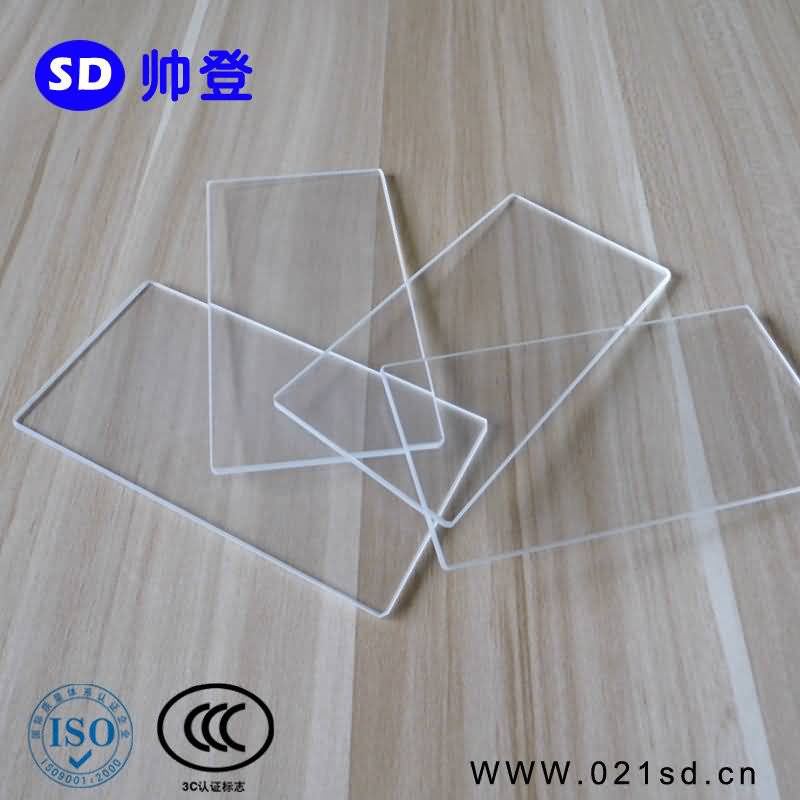
When glass is exposed to heat or rapid temperature changes, thermal shock resistance becomes critical. Borosilicate glass is widely used in heating, drying, and thermal testing applications because it can withstand higher temperature differences than ordinary soda-lime glass. For extreme heat, infrared heating, or UV-transparent requirements, quartz glass may be a better option. Buyers should consider not only maximum temperature, but also heating rate, cooling rate, and whether the component will experience repeated thermal cycles.
Chemical Environments
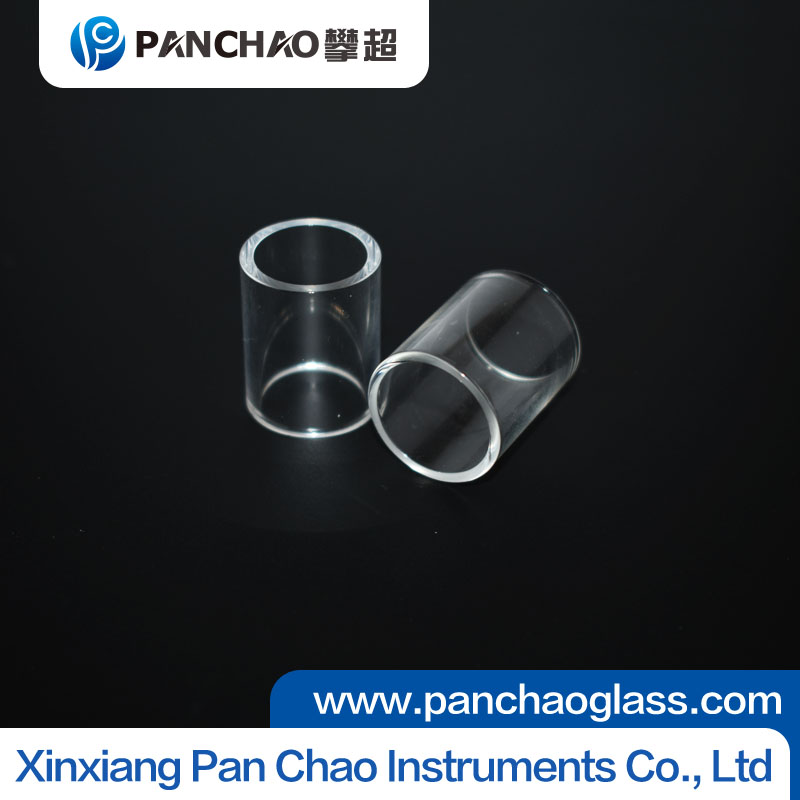
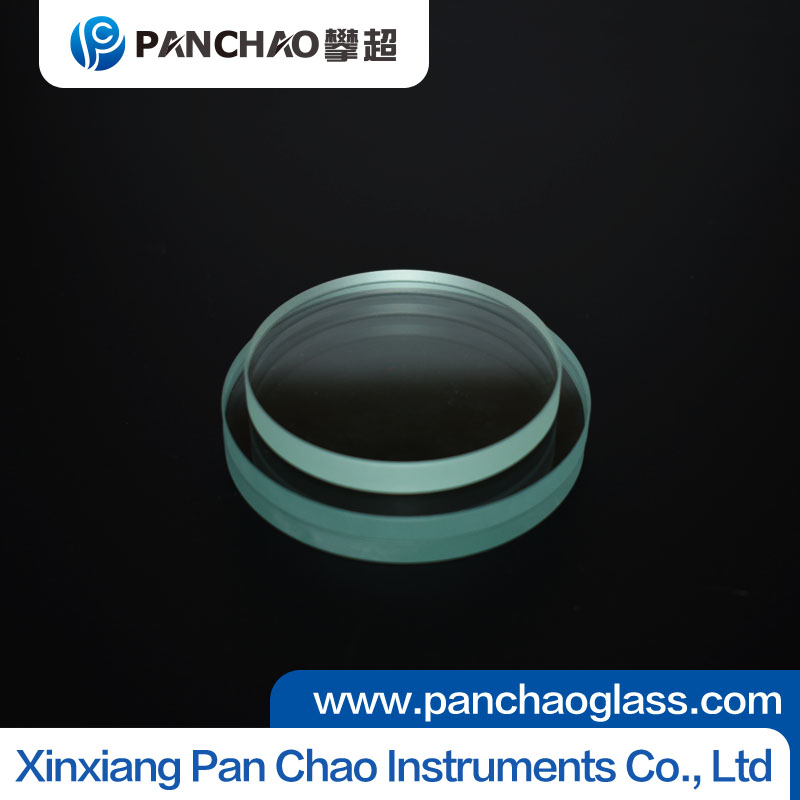
Chemical resistance depends on glass composition and surface condition. Borosilicate glass generally offers good resistance to water, acids, and many solvents, making it suitable for laboratory vessels, sight glasses, and process components. However, strong alkalis and hydrofluoric acid can attack most glass types. If the glass will contact aggressive chemicals, confirm compatibility before selection. Surface quality also matters: scratches, micro-cracks, or poor edge finishing can become weak points where corrosion or breakage begins.
Optical Environments
For imaging, sensing, spectroscopy, laser, or inspection systems, optical performance is as important as mechanical strength. Key factors include light transmission range, refractive index uniformity, surface flatness, scratch-dig requirements, and internal defects such as bubbles or striae. Even small variations in thickness or surface quality can affect measurement accuracy. In these cases, tighter tolerances and higher inspection standards are usually necessary.
How to Make the Right Choice
Before ordering, define the operating temperature range, chemical exposure, pressure load, optical requirements, and expected service life. Then match these needs to the appropriate glass type—borosilicate, quartz, aluminosilicate, or specialty optical glass. Always discuss tolerances, edge processing, annealing, and inspection criteria with your supplier early.
Choosing glass for harsh environments requires balancing thermal stability, chemical durability, and optical precision. A clear specification sheet and early technical communication can help avoid redesigns, reduce waste, and ensure the final component performs reliably in real-world conditions.

Related articles
- Why Can't Tempered Glass Tubes Be Processed Again? — Decodi
- The Bending Process for Shaped Glass Tubes: Differences Betwe
- Why Are "Straightness" and "Roundness" So Important f
- Precise Calculation of Glass Tube Wall Thickness and Pressure
- How Are "Striae" and "Bubble" Defects Controlled in O
- Why Do Glass Tubes Need "Flame Polishing" After Cutting?
- From Sand to Tube: The Raw Materials and Melting Process of B
- What Wall Thickness Tolerances Can Be Achieved for Custom Gla
- How Is "Internal Stress" in Glass Tubing Created? — A C
- How to Improve the Service Life of Industrial Sight Glasses
Products
acrylic display center
Contact Us

Xinxiang Pan Chao Instruments Co., Ltd.
Tel: +86 13343800331
Contact person:Carrie Niu
Fax: 0373 303 0331
Email:sales@panchaoglass.com
