
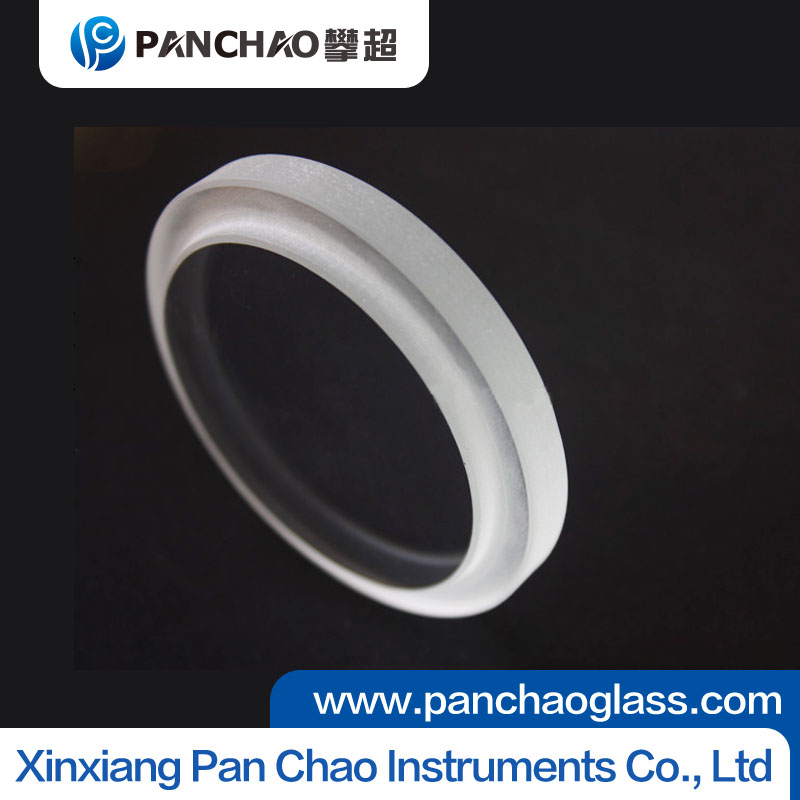
Borosilicate Glass vs Tempered Glass: Thermal Resistance & Safety

Glass is everywhere in modern life, from kitchen containers and bakeware to shower screens and laboratory equipment. When shopping for glass products, two terms frequently appear: borosilicate glass and tempered glass. Many buyers confuse them, assuming they offer the same level of heat tolerance and protection. In reality, they are manufactured through completely different processes, with distinct performance in thermal stability and breakage safety. Understanding these differences is critical to making a sensible purchase and preventing accidents caused by improper use.
Thermal Resistance: Core Difference in Heat Performance
Borosilicate glass is formulated by adding boron trioxide to the glass mixture. This special composition greatly lowers its thermal expansion rate. It does not expand or contract much with temperature changes, so it can endure dramatic thermal shock. It can safely move from a frozen environment directly into a hot oven or boiling water, withstanding temperature differences of roughly 150–180°C. This quality makes it the top choice for chemistry beakers, high-end teapots and professional baking tools.
Tempered glass starts as ordinary soda-lime glass. It gains strength through a thermal tempering process, where the finished glass is heated and then rapidly cooled. While it can resist steady high temperatures, it has poor resistance to sudden thermal shocks. Quick shifts between hot and cold create uneven internal stress, which may lead to spontaneous cracking. It works fine for normal room-temperature use and gentle heating, but it is not designed for extreme, fast temperature changes.
Breakage Safety: How They Behave When They Fail
Safety performance when broken is another major dividing line. Tempered glass has built-in compressive stress on its surface. When the stress limit is exceeded, it shatters into countless tiny, dull pebble-like fragments instead of jagged slices. This drastically lowers the chance of deep lacerations, which is why it is widely used for shower doors, tabletops and window panels.
Borosilicate glass does not receive tempering treatment for impact resistance. It is strong against heat, yet vulnerable to heavy knocks. If struck hard enough, it splits into large, sharp shards that carry a higher cutting risk. Its main safety advantage is not breakage behaviour, but its low tendency to crack spontaneously under temperature change.
Ideal Use Cases for Each Glass Type
Choose borosilicate glass if your priority is handling frequent, drastic temperature swings. It suits labware, glass kettles, oven-safe baking dishes and storage containers that go between freezer and heat source.
Opt for tempered glass when physical impact is the main concern. It fits furniture surfaces, bathroom partitions, screen protectors and everyday cups that are likely to be bumped or dropped, as long as you avoid exposing it to sudden hot-cold alternation.
Conclusion
Neither material is universally superior. Borosilicate glass excels at thermal shock resistance, prioritising stability under changing heat. Tempered glass shines in impact safety, minimising harm if it breaks. Before buying, assess your usage environment: whether you need to cope with sharp temperature shifts or frequent physical collisions. Matching the glass type to your actual needs is the best way to balance durability and safety.

Related articles
- High Temperature Borosilicate Glass with Stable Chemical Perf
- Durable Borosilicate and Quartz Sight Glass for Process Monit
- Tempered Sight Glass with High Mechanical Strength and Safety
- Borosilicate Sight Glass for Pipeline, Tank and Reactor Monit
- Heat-Resistant Borosilicate Glass Plate for Laboratory and In
- Fused Silica Quartz Sight Glass with High UV and IR Transmiss
- How to Select the Right Sight Glass for Chemical, Food and Ph
- Tempered Borosilicate Sight Glass: Combining Strength and The
- Borosilicate Glass for Sight Glasses: Heat Resistance, Chemic
- Industrial Sight Glass: A Complete Guide to Materials, Shapes

Xinxiang Pan Chao Instruments Co., Ltd.
Tel: +86 13343800331
Contact person:Carrie Niu
Fax: 0373 303 0331
Email:sales@panchaoglass.com
